
Responsible Recreation
With lots of different recreation types across the Methow Valley, it’s imporatant we all do our part to minimize recreaion impacts and share the trails. Several different advocacy organizations have put together responsible recreation messaging. Check out some of the information below to learn how you can reduce your impact when out on the trials.
General Tips From Leave No Trace
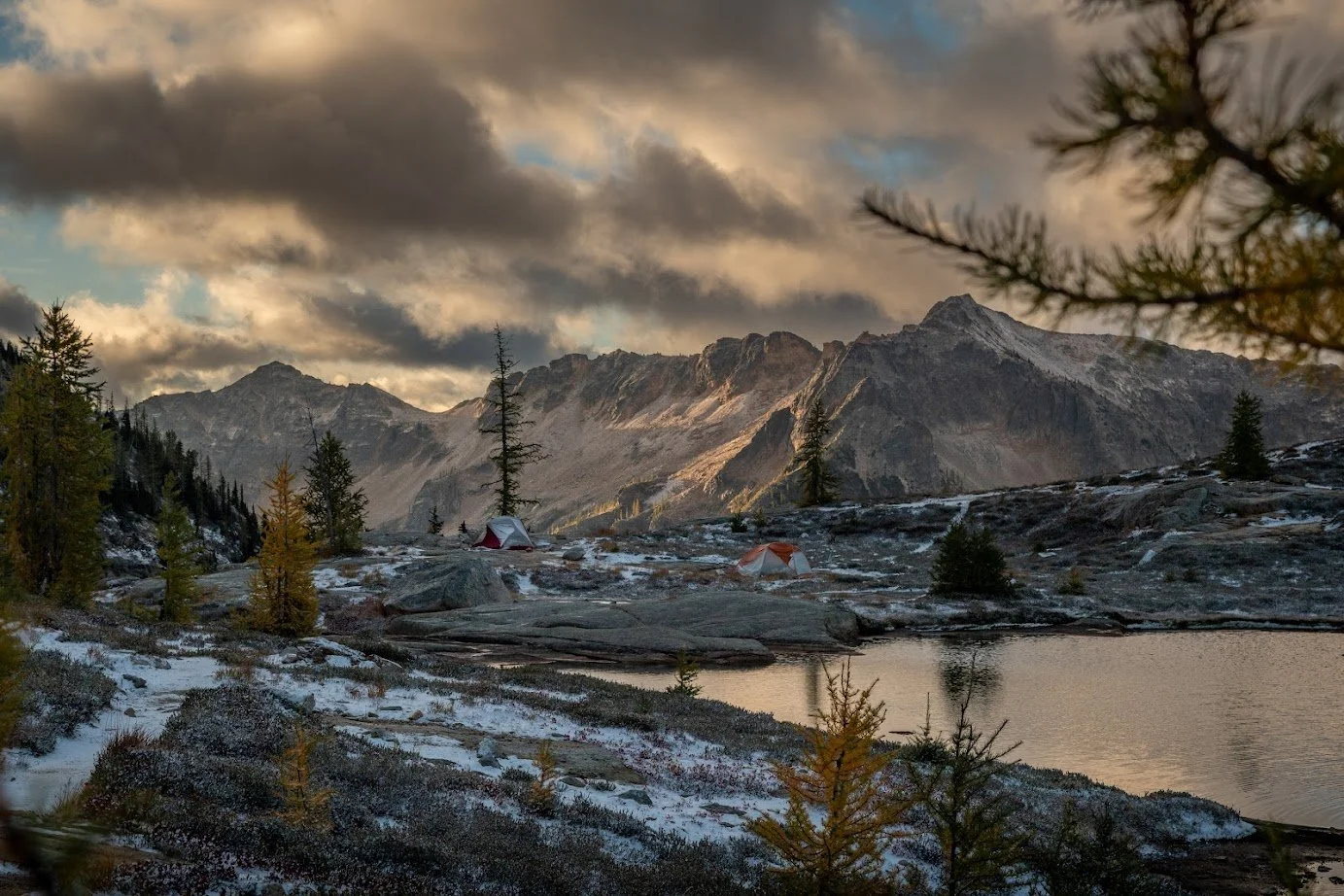
Image from Snowy Lakes in the Okanogan-Wenatchee National Forest.
FIRE SAFETY
Eastern Washington is an arid landscape, and the last thing we want to do as recreationists is start a wildfire. There are ways to have a campfire responsibly, but often, it is too dry to even take the risk. Fire restrictions are often still in place even after recent rains. Check each land managers fire information page before you bring that bundle of firewood on your trip.
Okanogan County Burn Ban Information
Methow Valley Ranger District fire restrictions
Department of Natural Resources Burn Restrictions Map for State Managed Lands
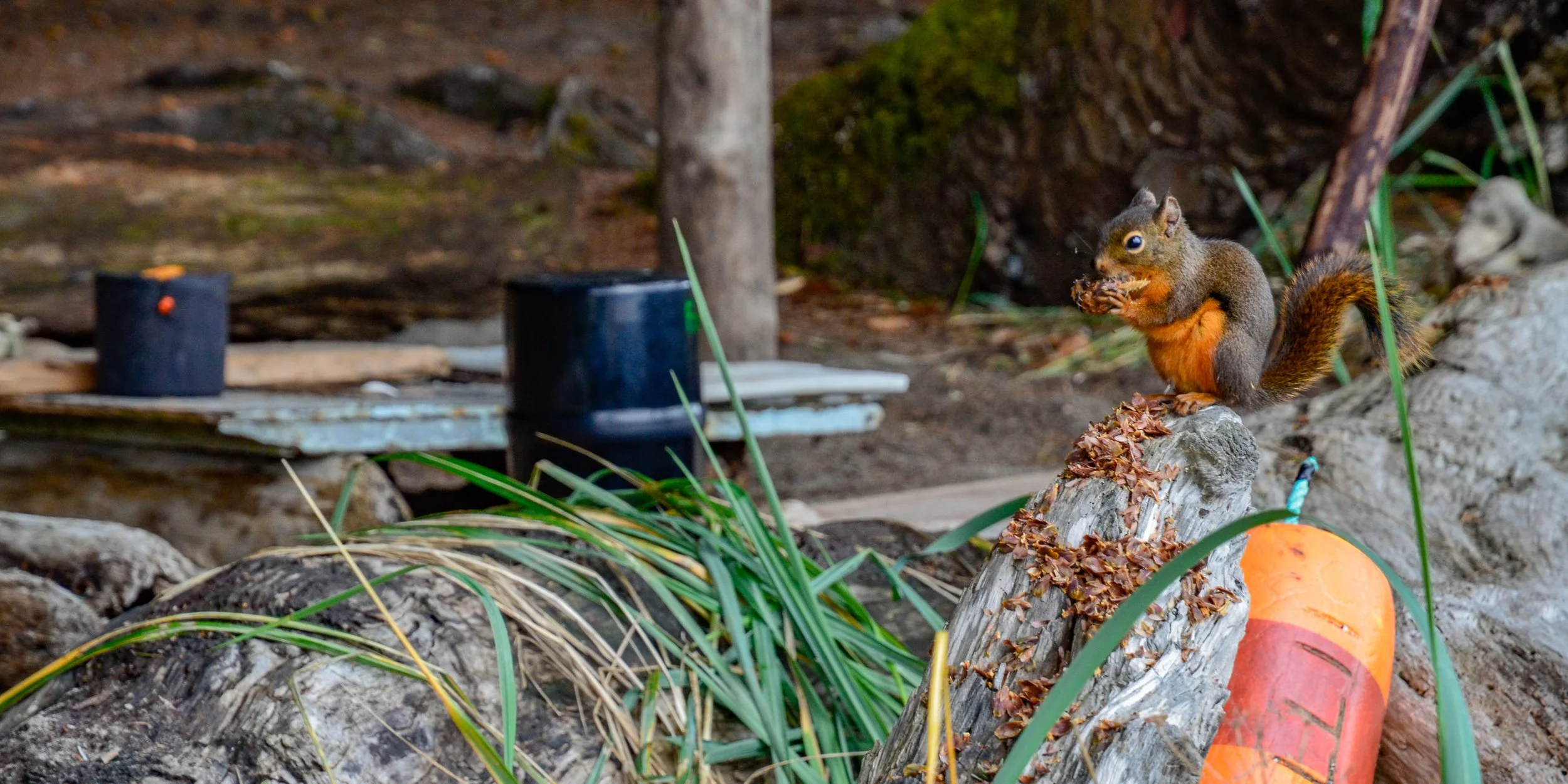
Image from ONP
FOOD STORAGE
The Okanogan-Wenatchee National Forest has implemented wildlife safe food storage requirements across the entire national forest. The forest order requires visitors to store food items in a “bear resistant manner” and to properly dispose of wildlife attractants such as food, beverages, pet food, garbage, uncleaned cookware, and other "smellable" items like scented soap, toothpaste, candles, wildlife carcasses, etc. The food storage order is intended to reduce human/wildlife conflicts. The storage requirement does not apply when preparing or eating food, or when food is being transported.
-
Know the regulations and special concerns for the area you’ll visit.
Prepare for extreme weather, hazards, and emergencies.
Schedule your trip to avoid times of high use.
Visit in small groups. Split larger parties into smaller groups.
Repackage food to minimize waste.
Use a map and compass to eliminate the use of rock cairns, flagging, or marking paint.Description text goes here
-
Durable surfaces include established trails, campsites, rock, gravel, and dry grasses or snow.
Protect riparian areas by camping at least 200 feet from lakes and streams.
Good campsites are found, not made. Altering a site is not necessary.
In popular areas
Concentrate use on existing trails and campsites.
Walk single file in the middle of the trail, even when wet or muddy.
Keep campsites small. Focus activity in areas where vegetation is absent.
In undisturbed areas
Disperse use to prevent the creation of campsites and trails.
Avoid places where impacts are just beginning.
-
Pack it in, pack it out. Inspect your campsite and rest areas for trash or spilled food. Pack out all trash, leftover food, and litter. Burning trash is never recommended.
Deposit solid human waste in catholes dug 6-8 inches deep at least 200 feet from water, camp, and trails. Cover and disguise the cathole when finished.
Bury toilet paper deep in a cathole or pack the toilet paper out along with hygiene products.
To wash yourself or your dishes, carry water 200 feet away from streams or lakes and use small amounts of biodegradable soap. Scatter strained dishwater.
-
Preserve the past: observe cultural or historic structures and artifacts, but do not touch them.
Leave rocks, plants, and other natural objects as you find them.
Avoid introducing or transporting non-native species.
Do not build structures, furniture, or dig trenches.
-
Campfires can cause lasting impacts on the environment. Use a lightweight stove for cooking and enjoy a candle lantern for light.
Use established fire rings, pans, or mound fires where fires are permitted.
Keep fires small. Use only sticks from the ground that can be broken by hand.
Burn all wood and coals to ash, put out campfires completely, then scatter cool ashes.
-
Observe wildlife from a distance. Do not follow or approach them.
Never feed animals. Feeding wildlife damages their health, alters natural behaviors, and exposes them to predators and other dangers.
Control pets at all times, or leave them at home.
Avoid wildlife during sensitive times: mating, nesting, raising young, or winter.
-
Item descriptionRespect others and protect the quality of their experience.
Be courteous. Yield to other users on the trail.
Greet riders and ask which side of the trail to move to when encountering pack stock.
Take breaks and camp away from trails and others.
Let nature’s sounds prevail. Avoid loud voices and noises.


mountain biking
Methow Cycle and Sport Local trail condtions

Image of camping in the Alpine near the Methow Valley

Skiing in the Valley from Methow Trails

A climber on the South Early Winter Spire
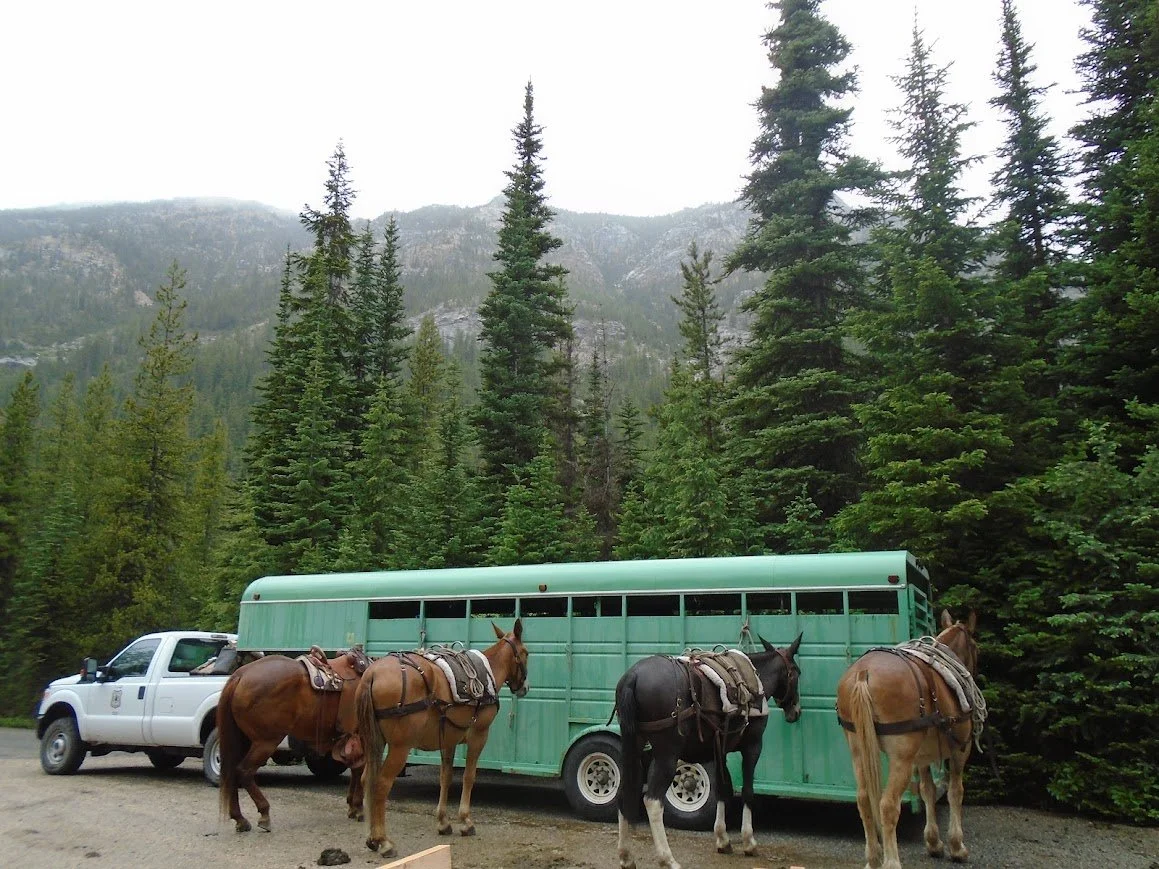
Image of USFS Pack Mules at Cutthroat Trailhead
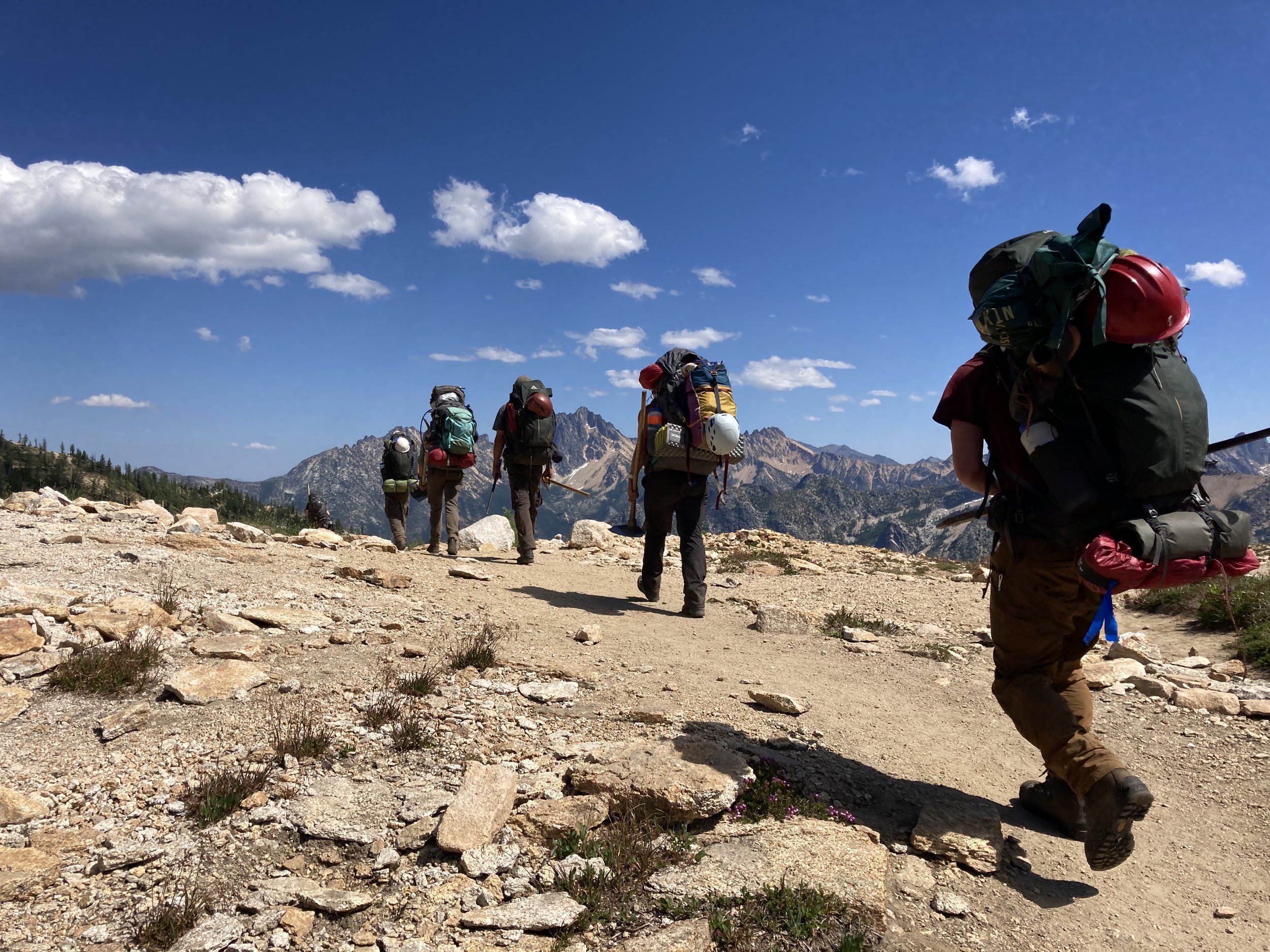
Backpacking in the Valley from the USFS